


FAFCO Heater Review for Florida Pool Owners
- Ronnie Brewer
- 2 days ago
- 5 min read
A pool can look perfect in January and still sit unused because the water feels too cold. That is the real question behind a FAFCO heater review: can solar pool heating make your Florida pool comfortable for more of the year without adding another expensive monthly utility bill? For many east coast Florida homeowners, the answer is yes - provided the pool, roof, and expectations are a good match for solar.
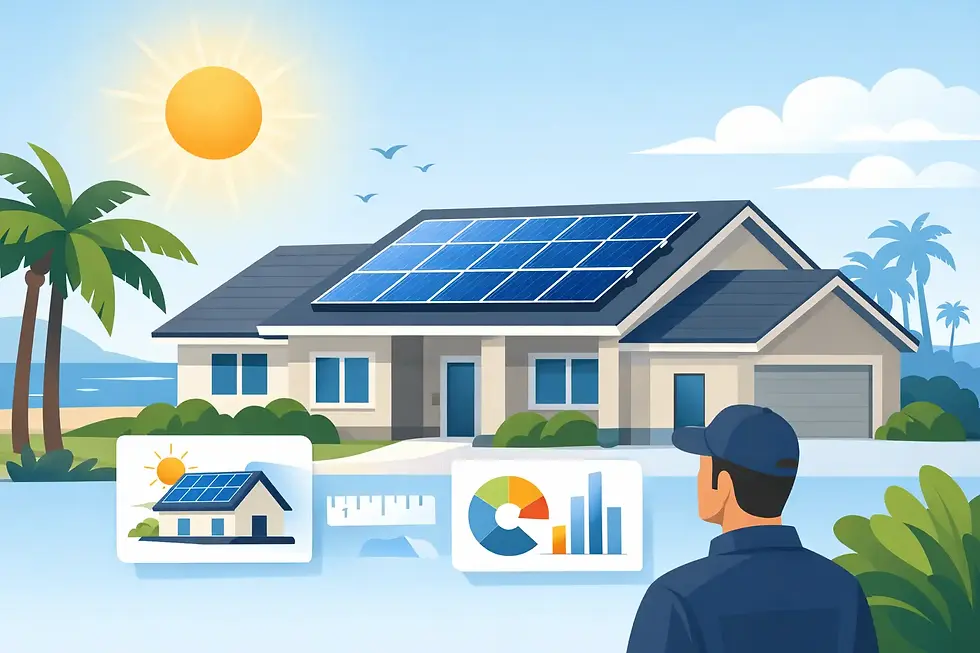
FAFCO solar pool heaters use the sun to warm the water already circulating through your pool system. They are not electric heat pumps, gas heaters, or roof-mounted solar electric panels. Instead, pool water flows through durable solar collectors, absorbs heat from the Florida sun, and returns to the pool warmer. The result is simple: a longer swimming season with little to no added energy cost for the heat itself.
What a FAFCO Solar Pool Heater Does Well
The strongest reason to choose a FAFCO system is operating cost. A gas heater can heat water quickly, but it requires fuel every time it runs. A heat pump is efficient compared with gas, yet it still uses electricity and can add to your bill. A solar pool heater relies on sunshine and your existing circulation system, so the cost to heat the water is dramatically lower after installation.
That difference matters in Florida, where pools are often close to usable for much of the year. You may not need to turn chilly winter water into bathwater. You may only need to lift the temperature enough to make afternoon swimming, weekend entertaining, and morning exercise comfortable. Solar heating is particularly effective at extending the season in spring and fall, when the sun is available but the water needs help.
FAFCO collectors are designed specifically for pool heating. They use flexible polymer material rather than fragile glass, which is a practical advantage on Florida roofs. The system has no burners, compressors, or complicated refrigerant components to service. Fewer moving parts generally means less ongoing maintenance and fewer surprise repair expenses.
For homeowners who want a practical energy upgrade instead of another appliance that consumes power, that is the appeal. The system puts Florida sunshine to work on one of the most enjoyable parts of the property.
FAFCO Heater Review: Where Performance Depends on Your Home
No honest FAFCO heater review should promise identical results for every pool. Solar pool heating works exceptionally well in the right conditions, but the outcome depends on the details of your site.
Roof exposure is the first consideration. A south, southeast, or southwest-facing roof with strong sun exposure is ideal. East- and west-facing roof areas can also work well, especially when sufficient collector area is available. Heavy shade from mature trees, neighboring buildings, or roof structures can reduce output. A qualified site survey should account for sunlight, roof layout, available space, and the condition of the roof before recommending a system.
Pool size and desired swim season matter, too. A compact screened pool may need less collector area than a large, open pool exposed to wind. Homeowners who want to swim from early spring through late fall may have different needs than those expecting year-round warm water. Solar can significantly improve water temperature, but it cannot create heat after days of clouds, cold fronts, and overnight heat loss.
A pool cover can make a major difference. Much of a pool's heat escapes from the water surface overnight, especially when wind is present. Pairing a solar heater with a quality cover helps retain the warmth collected during the day. That can improve comfort and reduce the amount of collector area needed to meet your goals.
Installation and Daily Operation
A professionally installed FAFCO system connects to the pool plumbing and routes water through collectors mounted on the roof or another sun-exposed structure. An automatic control system can monitor water and roof temperatures, sending water to the collectors only when solar heat is available. This prevents the system from circulating water through the panels when doing so would cool the pool.
For the homeowner, operation is usually straightforward. Set the desired temperature, allow the automation to manage circulation, and enjoy the pool when conditions are right. The system should be sized and configured around the pool rather than treated as a one-size-fits-all package.
Installation quality is as important as collector quality. Proper roof attachment, plumbing layout, bypass valves, sensor placement, and controller settings all affect performance and reliability. A local contractor should also understand Florida roof types, wind considerations, screened enclosures, pool equipment layouts, and regional permitting requirements.
Florida Solar East has served the region for more than 35 years and offers FAFCO systems with written performance commitments and a 90-day performance guarantee. That local accountability matters because a pool heating system should be evaluated by how it performs on your property, not just by a brochure description.
The Trade-Offs to Consider Before Buying
Solar pool heating is an excellent value for many Florida households, but it is not the best answer for every situation. Its biggest limitation is that it depends on available sun. If you need fast heating for an unexpected party, want very warm water during the coldest part of winter, or have a heavily shaded roof, a heat pump or gas heater may better match your expectations.
Solar heating also requires roof or ground space. The collector array is visible, although professional installation keeps the layout clean and purposeful. If your roof is nearing replacement age, it is usually wiser to address roofing first rather than install collectors that may need to be removed and reinstalled later.
There is also an upfront investment. While solar avoids the recurring fuel expense of gas heating and the continuing electrical draw of a heat pump, it is not free to purchase and install. The value improves when you plan to stay in the home, use the pool regularly, and want predictable operating costs. Financing may also make it easier to start enjoying a warmer pool without delaying the project.
The best system is the one that matches how you actually use the pool. A family that swims most weekends from March through November may see clear value. A homeowner who uses the pool only a few times each year may not receive the same return, even with excellent sunshine.
FAFCO Durability and Maintenance Expectations
FAFCO collectors are built for outdoor pool applications and have a long track record in sunny climates. Their polymer construction is designed to handle regular exposure to sunlight, heat, pool water, and changing weather. Like any roof-mounted equipment, however, longevity depends on installation quality and basic care.
Routine maintenance is generally modest. Pool owners should keep normal water chemistry in balance, maintain the pool pump and filter, and pay attention to any changes in flow or controller behavior. Periodic professional inspection can identify plumbing wear, valve issues, sensor problems, or roof-related concerns before they become larger repairs.
If freezing weather is expected, the system may need to be drained or protected according to the equipment configuration. This is not a daily concern for most of Florida, but it is worth discussing during installation, especially in areas that occasionally see hard freezes.
Is a FAFCO Solar Heater Worth It?
A FAFCO solar pool heater is worth serious consideration if you have usable sun exposure, want to extend your pool season, and prefer to avoid paying month after month to heat water. It is one of the most direct ways to turn Florida's abundant sunshine into a comfort upgrade for your home.
It is less suitable when the roof is deeply shaded, the pool is rarely used, or you expect immediate high-temperature heating in every weather condition. In those cases, a heat pump, gas heater, or a combined approach may be more practical.
The right next step is not guessing from a generic system size. It is having your pool, roof, shade, equipment, and swimming goals reviewed together. A free site survey can show whether FAFCO solar heating will deliver the warmer, longer pool season you want - while keeping your operating costs under control.


Comments